Tracking with Battery Powered Devices
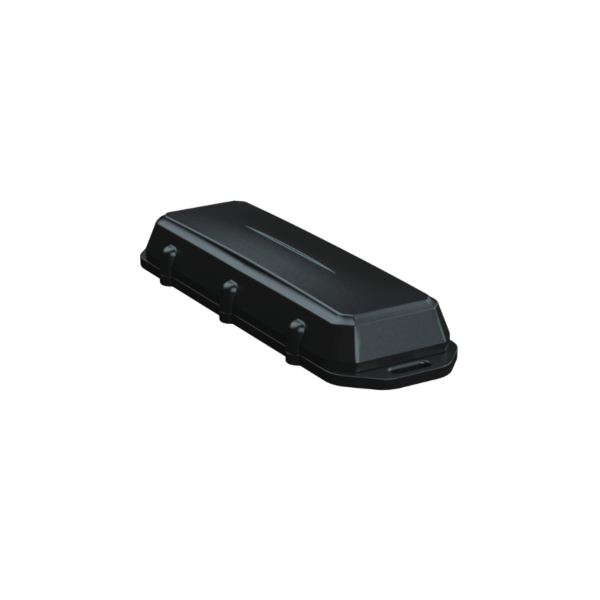
Barra Edge -4G
Smallest and most light assets; Packets, Shipments, Trolleys moving outdoors/indoors
2 x AA batteries. Batterylife: 10+ years with once -daily -update, 5 years with movement -based update, 3 years with once -hourly update
Dimensions: 149 x 51 x 21mm, 62g
- Barra Edge - Datasheet
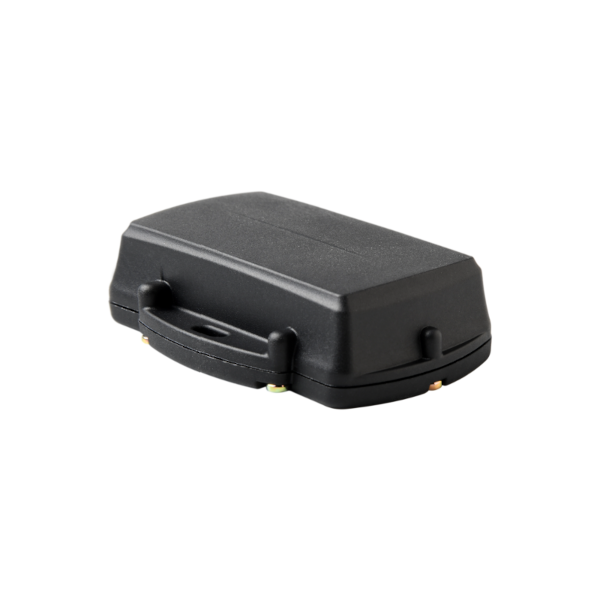
Yabby -4G
Small assets; Packets, Shipments, supply chain, logistics, containers. Used also with cattle and other animal tracking
3 x AAA batteries. Batterylife: 10+ years with once -daily -update, 3 years with movement -based update, 1.5 years with once -hourly update
Dimensions: 85 x 63 x 24 mm, 82 g
- Yabby GPS- Datasheet
- Yabby Edge- Datasheet

Oyster -4G
Equipment, containers, shovels, supply chain, trailers
3 X AA batteries. Batterylife: 10+ years with once -daily -update, 6 years with movement -based update, 3.5 years with once -hourly update
Dimensions: 108 x 86 x 31 mm, 194 g
- Oyster GPS- Datasheet
- Oyster Edge- Datasheet
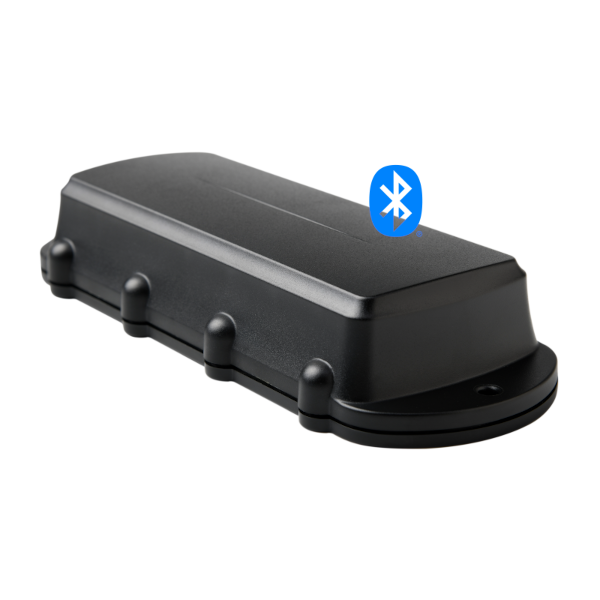
Remora -4G
Large assets, demanding environment, trailers, supply chain, logistics, Bluetooth -applications
2 x D batteries. Batterylife: 20+ years with once -daily -update, 10+ years with movement -based update, 10+ years with once -hourly update
Dimensions: 224 x 91 x 41 mm, 443 g
- Remora- Datasheet
Tracking
With Containers, Tanks and Pallets and such, mostly located outdoors, usually Oyster-4G- or Yabby-4G -device is chosen and preferably GPS - model. The smallest one, Barra-Edge-4G, is most frequently chosen to trolleys and smaller assets which are usually located indoors. If the device is needed to hide very deep (not clear sight to satellites), Edge - model is recommended. Batterylife with all devices can be counted in years, if movement-based tracking will be used, Oyster has a bit longer batterylife than Yabby.
Movement -based -tracking: Device updates its location once per day when not moving, updates when movement detected, updates every 15 or 30min while movement present, and updates when movement stopped. This way the location is pretty close to real -time, and enough for most applications. Batterylife will be dependent on amount of periods of movement; In average container tracking application batterylife settles around 3 - 4 years.
Devices can also be configured to update with constant period, for example every 2h. If assets are not moving much, or there is no need to know the locations frequently, update can be based on chosen times (e.g. at 08, 12 and 16). Usually 2 messages per day is enough for containers; It leads to batterylife of around 6 years.
Small tracking units are usually installed with pairs of magnets. It is simple and fast and can be performed without tools for many containers in a row. Also for temporary installation, magnets are the preferred way. Screws and bolds are also in frequent use with containers (especially with Oyster-4G).
Monitoring your Assets
Telematics Guru is a full fleet- and equipment management platform provided by Digital Matter (who also manufactures the devices). Devices are delivered already working, online and on map. User needs only to install devices to their assets and setup names in the service, and enjoy the service.
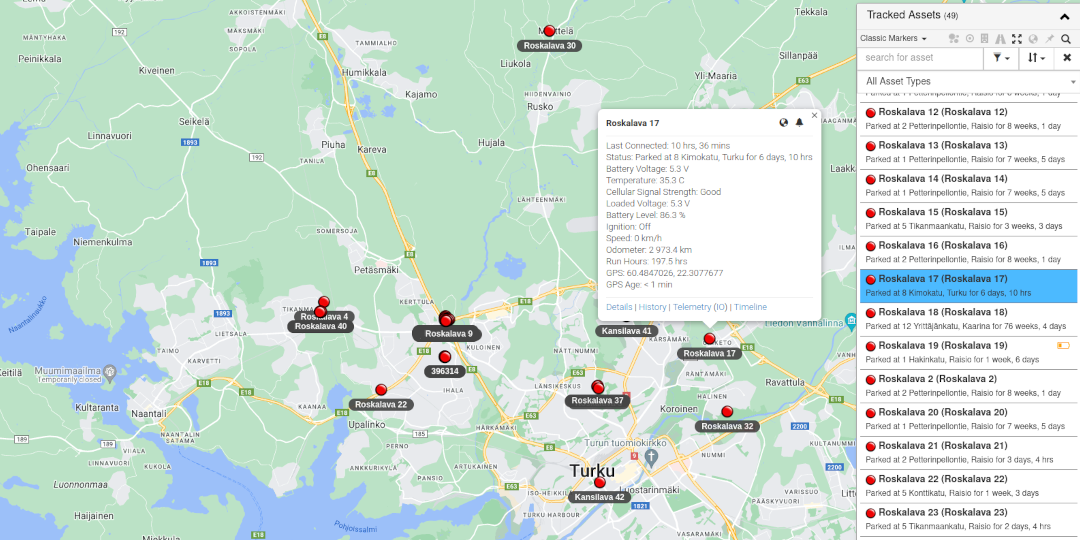
Users have different ways to work with the platform. Usually containers are numbered and numbers are used as names of asset in the platform. Service has plenty of fields user can add information for the asset (container type, length, height, manufacturer etc.). Markers on map can also be coloured with real world colour of the asset itself.
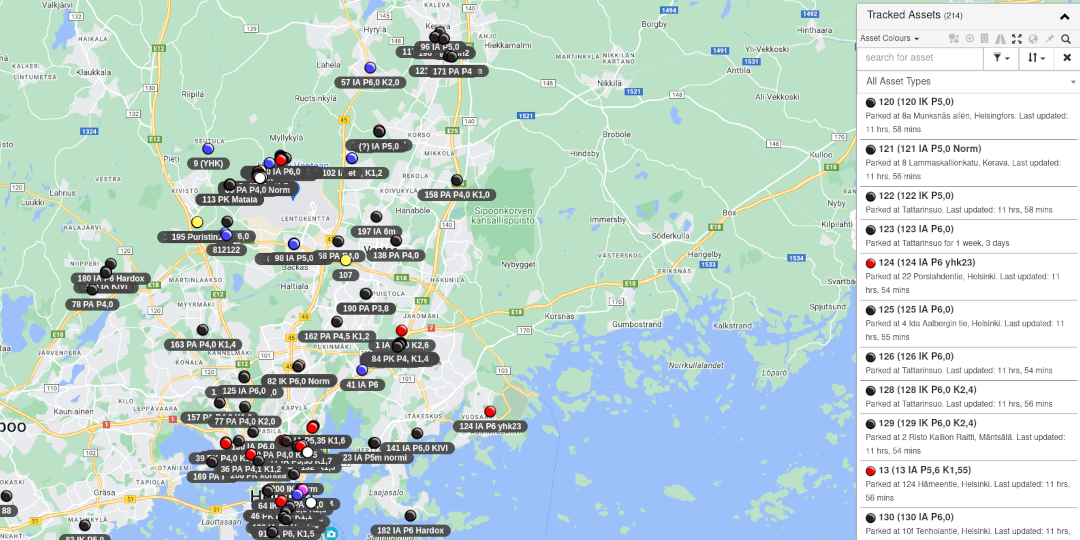
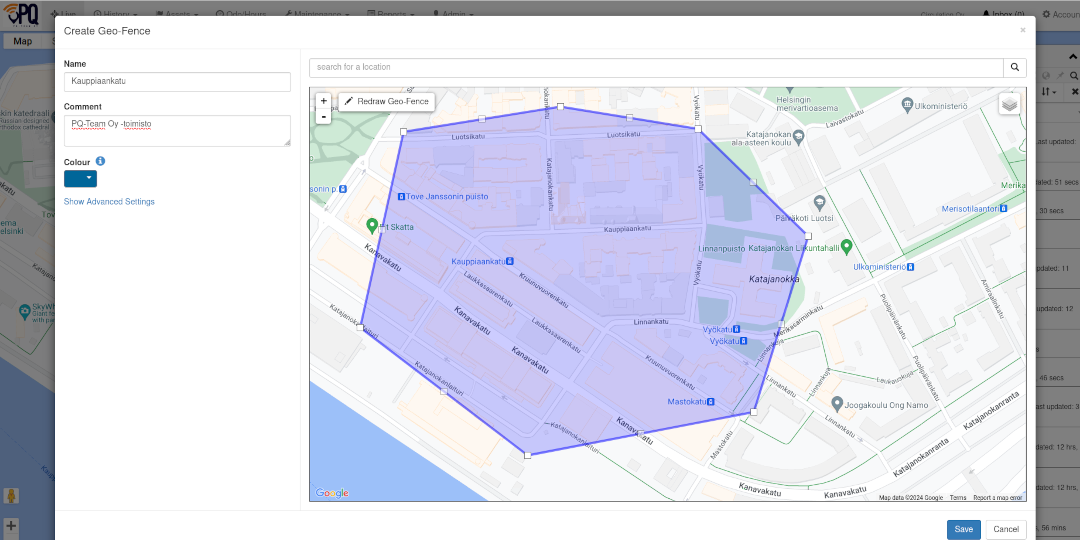
Geofencing is great tool storing container movements. Especially, if user organisation is renting their containers, geofences are handy (Container can change during emptying -process). Alarms based on leaving or entering geofence are particularly great tool, for example in the case when container is leaving the geofence when it shouldn't. Geofences are stored into device memory; Device can automatically change its behaviour when inside or outside the fence (devices won't necessarily need to update that frequently from own yard).
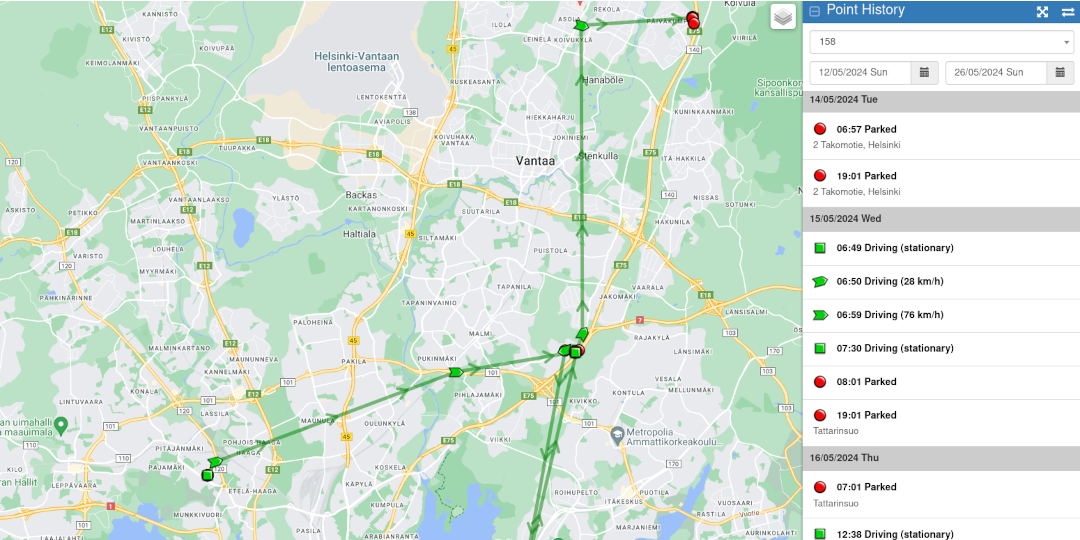
Container location history is stored into the platform from it's creation. Even if the tracking unit in container would change, history data for the container remains. History data can be viewed as a location logbook (trip history -view) and as a point history -view on map. Since battery operated units are not providing real -time location data, the history view is not block -accurate; with container tracking, battery life is usually preferred. Address for trip start and trip end is always recorded, as also timestamps.